Mwanzo Wetu Community Water Supply
Overview
Mwanzo's water initiative is rooted in a simple but powerful belief: access to clean water changes everything.
For years, families in Rabuor and neighboring communities lived without reliable water nearby. Collecting water often meant walking long distances while carrying heavy containers home by hand and on their heads. This burden fell primarily on women and children, limiting time for education, work, and family life.
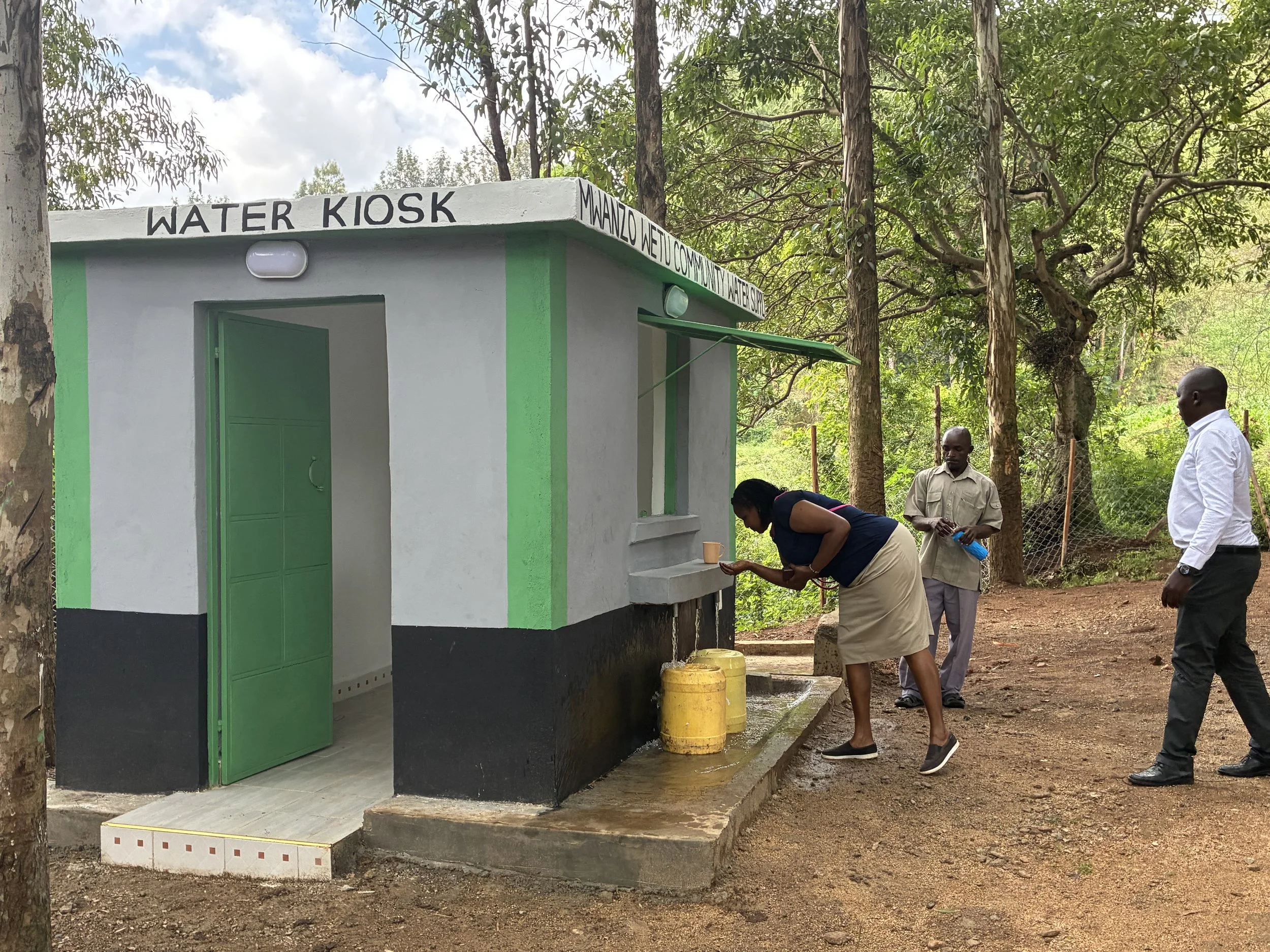
Today, Mwanzo Wetu Community Water Supply is helping change that reality. Serving communities across a five-mile radius, the system now provides safe water access to approximately 6,000 people each month.
AT A GLANCE
Four water distribution points
Approximately 6,000 people served monthly
160-meter borehole
Nearly 5,500 liters produced every hour
More than 100 economic opportunities supported
Improved food security and climate resilience
Improved school attendance, especially for girls
Supports Mwanzo Wetu Centre of Excellence Academy and Mwanzo Wetu Health Services
BUILDING ACCESS FROM THE GROUND UP
In partnership with the Charles Lamar Family Foundation and Grekkon Water Drilling Company, Mwanzo worked with local residents to identify and develop a sustainable underground water source beneath Rabuor's rocky terrain. Reaching approximately 160 meters below the surface, the borehole now produces nearly 5,500 liters of water every hour. Four distribution points bring safe water closer to home and strengthen reliable access year-round.
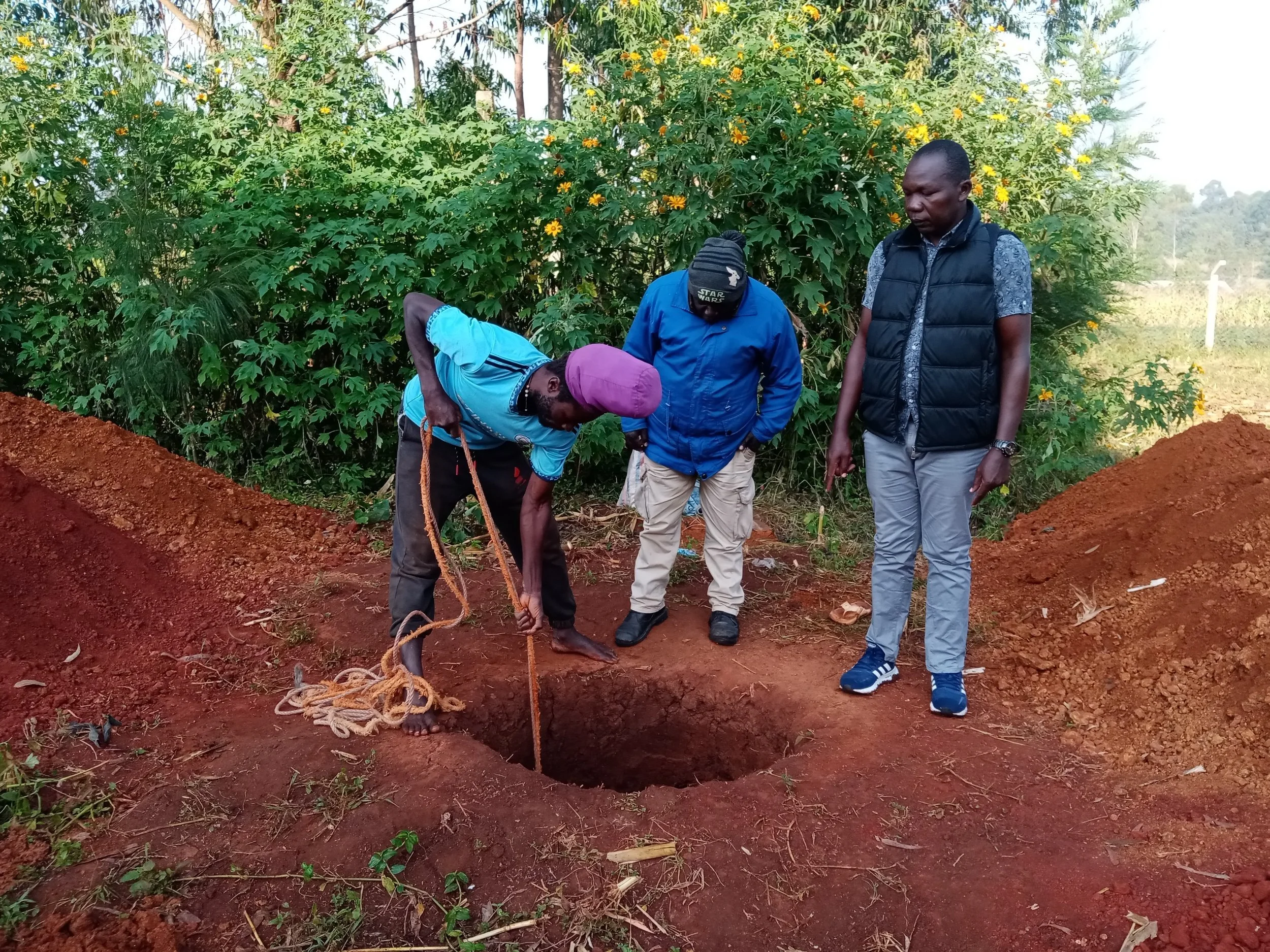
This project is about more than infrastructure. It is about restoring time, improving health, preserving dignity, and creating opportunities for future generations.
SUPPORTING HEALTH, EDUCATION, AND LIVELIHOODS
Clean water strengthens every part of community life. Health outcomes improve when families move away from unsafe water sources and gain the ability to maintain consistent hygiene and sanitation. Reliable water access also supports the daily operations of the Mwanzo Wetu Health Clinic and remains essential to the continued development of Mwanzo’s future 35-bed community hospital.
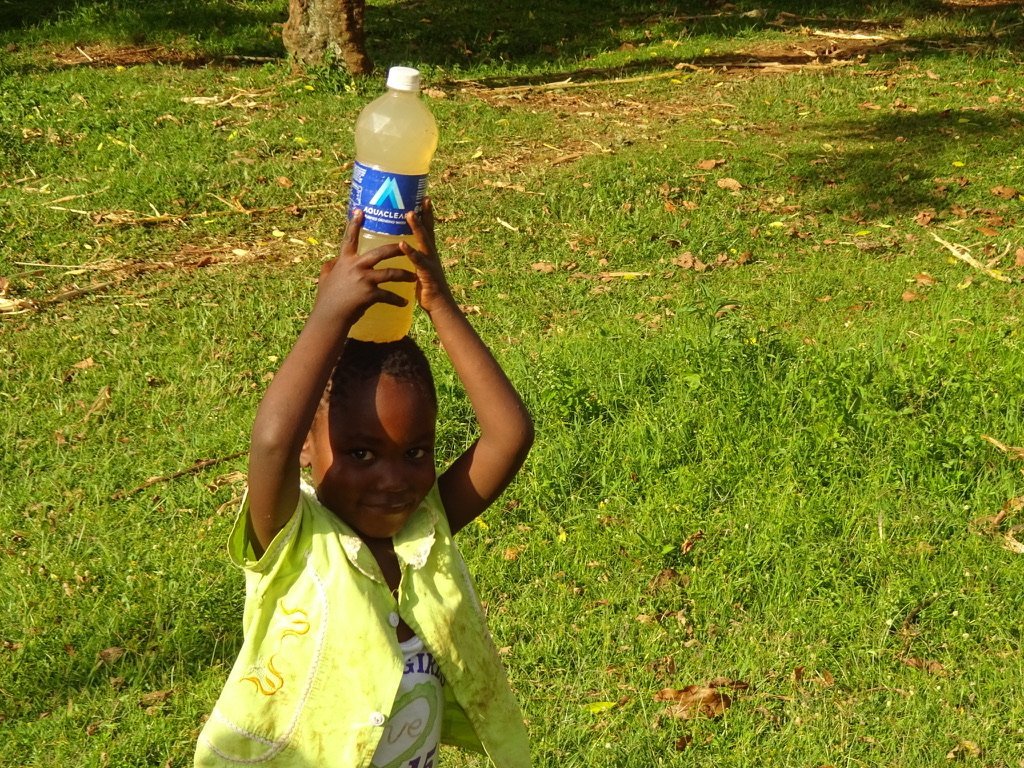
Access to clean water is changing generational trajectory for hundreds of girls.
Education outcomes are shifting as well. Students—particularly girls—are spending less time collecting water and more time attending school, participating in extracurricular activities, and engaging fully in their studies. At the household level, water access supports agriculture, livestock care, poultry production, and small-scale food systems that help families build stronger and more resilient livelihoods.
FUELING LOCAL ECONOMIES
The water system is also creating new pathways for economic participation.
Community-managed water kiosks have created direct employment opportunities, while improved water access has supported a broader network of small-scale vendors, farmers, and entrepreneurs. These efforts help income circulate locally, strengthen community ownership, and create sustainable maintenance pathways for future infrastructure needs.
When economic opportunity grows locally, families are better able to remain rooted in their communities rather than being forced to leave in search of stability elsewhere.
A GROWING NEED
While the impact of the current water system is already significant, demand continues to grow.
Existing infrastructure cannot yet meet the full needs of Rabuor and neighboring communities, particularly as climate change continues to intensify pressure on water access and agriculture across the region.
Future priorities include:
Drilling a second borehole
Expanding water distribution points
Strengthening long-term system capacity
Supporting sustainable maintenance and climate resilience efforts
Mwanzo’s approach remains community-driven, ensuring growth is guided by local priorities, long-term stewardship, and shared investment in the future.
LOOKING AHEAD
Water access is not a standalone solution—it is a catalyst.
As Mwanzo continues expanding its work across education, healthcare, and economic empowerment, reliable access to clean water will remain central to that vision.
Each new connection strengthens stability, expands opportunity, and supports a future where families are not limited by what they lack, but empowered by what they have.