New Beginnings

A Community Approach
What We Do
When the HIV/AIDS epidemic struck sub-Saharan Africa in the late 1990s and early 2000s, it devastated a generation, leaving hundreds of children orphaned and placing enormous stress on survivors. In rural villages of Western Kenya, young girls in particular were left without support systems or role models to teach them farming and other essential life skills. While many of these girls lost the opportunity to attend school, a generation later, they now enroll their children at the Mwanzo Wetu Center of Excellence Academy (recently renamed from Mwanzo Education Center), participate in village savings and loan programs, and work for the local catering enterprise. Mwanzo honors and centers the talent and knowledge of local people. All of our programs focus on community-identified needs, and local stakeholders are central to program development and operations.

Building Tomorrow’s Leaders
Education
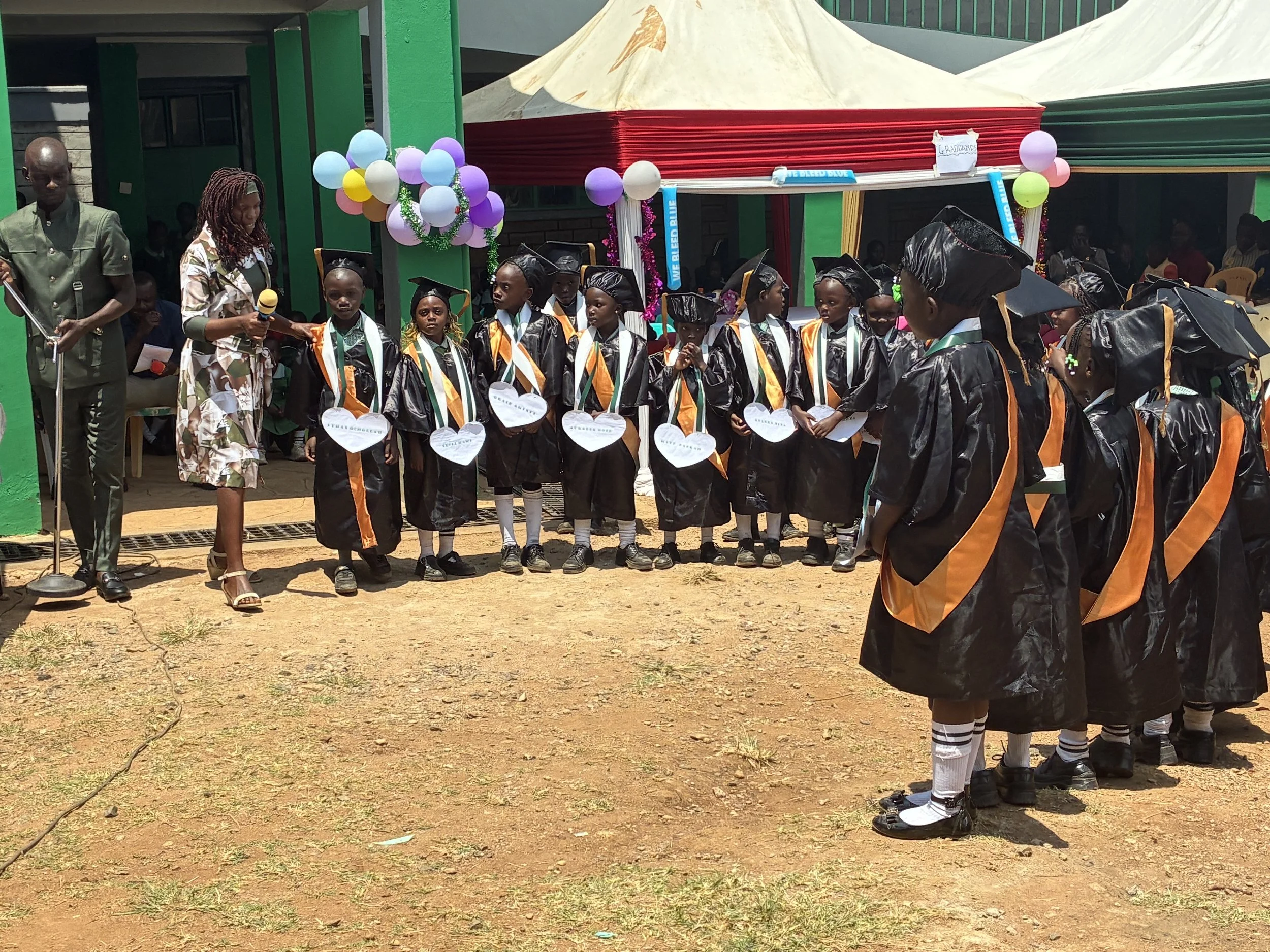
Located in Rabuor, the Mwanzo Wetu Centre of Excellence Academy (MWCEA) is a vibrant early childhood and primary school serving more than 445 students from preschool through nine. Students learn from trained and certified teachers, enjoy two hot and nutritious meals each day using environmentally safe cooking methods, and participate in clubs and activities that build leadership, creativity, and global awareness. Before MWCEA opened its doors, no primary school in Rabuor and neighboring communities had daily meals or a modern learning environment. Today, the school’s laboratories and computer lab are the first steps into a STEM focused curriculum in addition to clean and safe water systems have become a source of deep community pride. MWCEA is more than a school. It is a foundation for lifelong opportunity. As students graduate, they continue through the High School Scholars Program, where they receive mentorship, school placement support, and financial assistance to ensure their education continues without interruption. Together, these programs prepare young people for meaningful careers in Rabuor and beyond.
Fostering financial resilience
Entrepreneurship
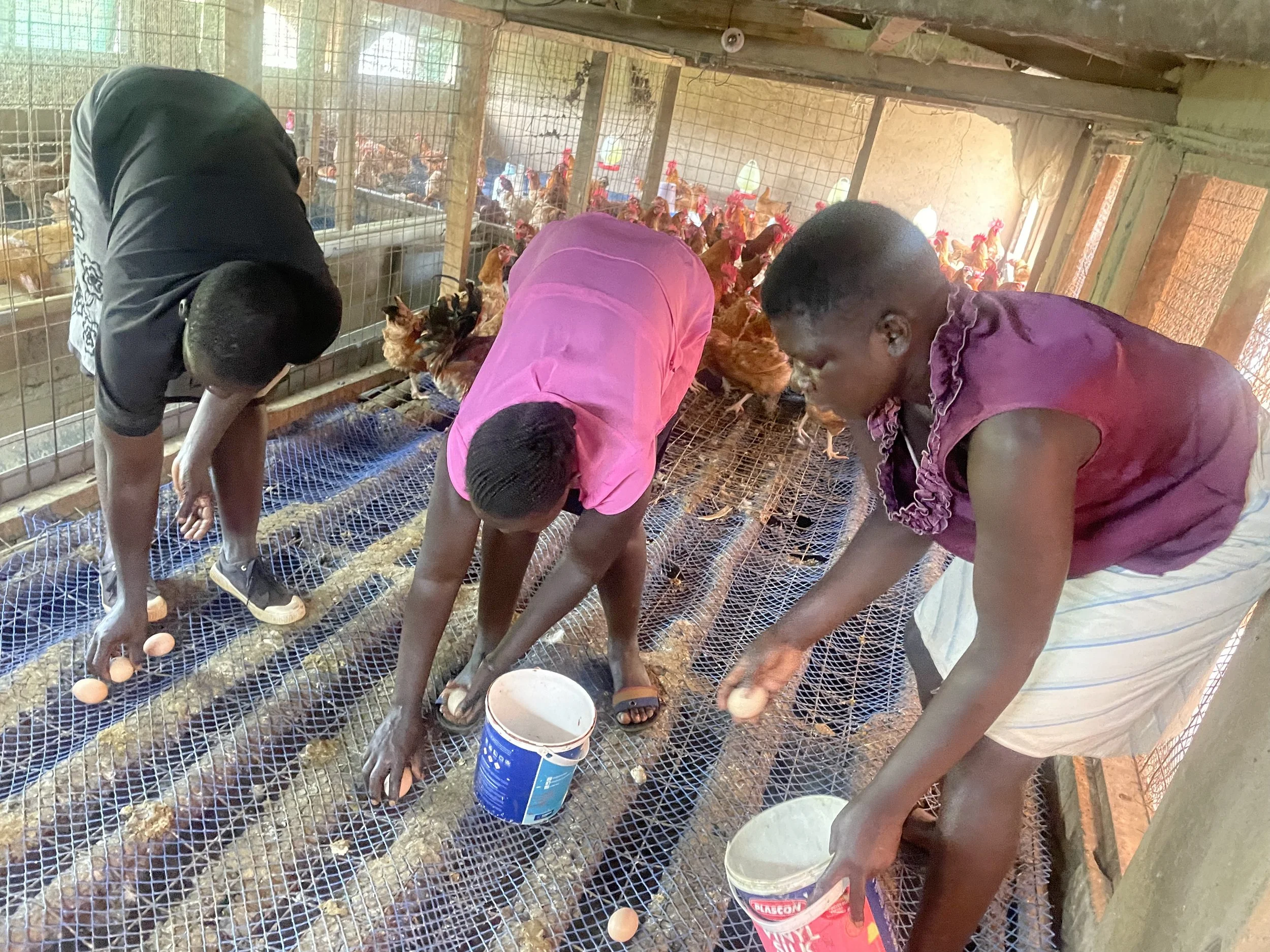
Mwanzo’s entrepreneurship work is rooted in partnership with the Rabuor village and her neighbors to strengthen and to develop the leadership of women. What began as a single village savings and loan (VSL) group has grown into a powerful network where women pool savings, access low-interest loans, and support one another’s business ideas as members of the Mwanzo Energetic Proud Farmers. Through these groups, members, many of whom were denied schooling during the HIV/AIDS crisis, are now building financial stability and modeling economic independence for their children and themselves.
Together, these programs create pathways for women to invest in their families, support their children’s education, and build thriving, self-sustaining communities.
Nurturing Bodies & Minds
Health
For years, MWCEA relied on teachers trained in basic public health to manage student medical needs—everything from deworming tablets and vitamin supplements to first aid and malaria referrals. While this support kept students safe, many children still traveled long distances to outside clinics for essential care.
That changed with the opening of the Mwanzo Wetu Health Clinic in 2024. Located on the ground floor of the Community Center, the clinic now functions as a true health home students much like a school nurse’s office, but with far greater capacity. Children can receive malaria testing and treatment, immunizations, wound care, hydration support, chronic-illness monitoring, mental health counseling, and follow-up for HIV medication all in the same space where they learn. For many families in the surrounding villages, this is the first time high-quality, affordable care has been available within walking distance.
As international funding streams like PEPFAR and USAID scale back, Mwanzo is taking proactive steps to safeguard community health.

Adaptation to Climate change
Water, Agriculture and Environment
Rabuor and neighboring villages are agricultural communities where families depend on the land to feed their households and support their livelihoods.
Mwanzo partners with community members to strengthen food security and promote long-term sustainability through agriculture, economic opportunity, and environmental stewardship. The Mwanzo Poultry Project helps families raise chickens, providing healthy protein, organic fertilizer for kitchen gardens, and additional household income.
As communities across western Kenya face increasing challenges from drought, flooding, and changing weather patterns, access to reliable water has become more important than ever.
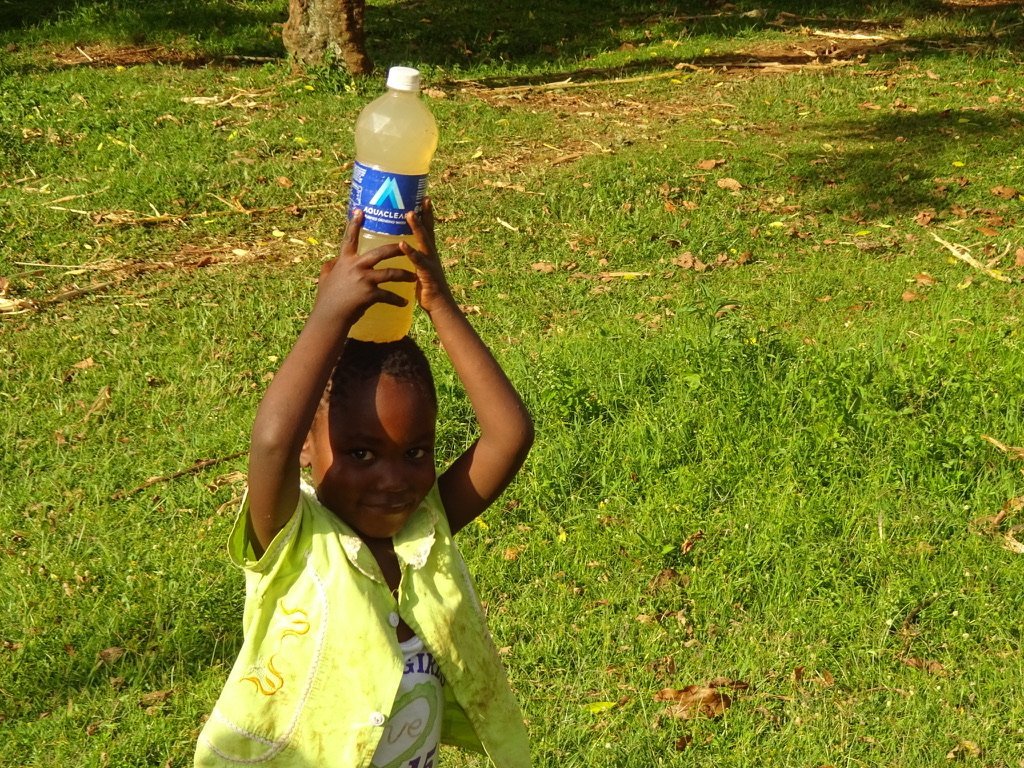
Through the Mwanzo Wetu Community Water Supply, thousands of people across Rabuor and neighboring communities now have access to safe water closer to home—improving health, strengthening livelihoods, and creating opportunities for future generations.
