
Mwanzo Energetic Proud Farmers (MEPF)
Overview
When the HIV/AIDS epidemic swept through Western Kenya in the late 1990s and early 2000s, it left a generation of women carrying the weight of loss, caregiving, and survival. Many were widowed, many became heads of household overnight, and many were labeled by grief rather than recognized for their strength. Out of this moment emerged the Mwanzo Energetic Proud Farmers (MEPF), a women-led network grounded in dignity, mutual support, and practical action. Today, these women are shaping food systems, household economies, and leadership structures across Rabuor and neighboring villages.
At a Glance
28 women leaders guiding MEPF programs
1,400 plus women and households reached across Rabuor and neighboring villages
Village Savings and Loan groups disbursing more than 144 loans annually
More than five thousand dollars circulating multiple times per year through VSLs
Six poultry coops providing nutrition and income
Agroforestry seedlings producing food, medicine, lumber, and firewood
Women-led catering and tailoring enterprises creating jobs and skills
At least 67 children supported in school through women’s savings and loan groups
Mwanzo Energetic Proud Farmers (MEPF)
MEPF began in 2012 when widows came together seeking stability and a path forward. What started as a small group has grown into a powerful network of women leaders guiding economic and agricultural initiatives across the region. Today, 28 core women leaders extend their influence to more than 1,400 women and households. These leaders serve as organizers, mentors, trainers, and caretakers, ensuring that knowledge and opportunity move through families and villages, not just through formal programs.
Village Savings & Loan Groups
At the heart of MEPF’s work are Village Savings and Loan groups. These self-governed groups of 15 to 35 women pool their resources to provide low-interest loans where traditional banking systems often exclude rural women. Loans are used to purchase seeds and fertilizer, pay school fees, repair homes, cover medical costs, and start or expand small businesses. In 2022, the network circulated nearly two thousand dollars across households. By 2024, the strength of the network allowed more than five thousand dollars to circulate multiple times per year, with over 144 loans disbursed annually. Through VSLs, at least 67 children have remained in school, supported by women who are investing not only in income, but in future generations.
Climate-Smart Agriculture
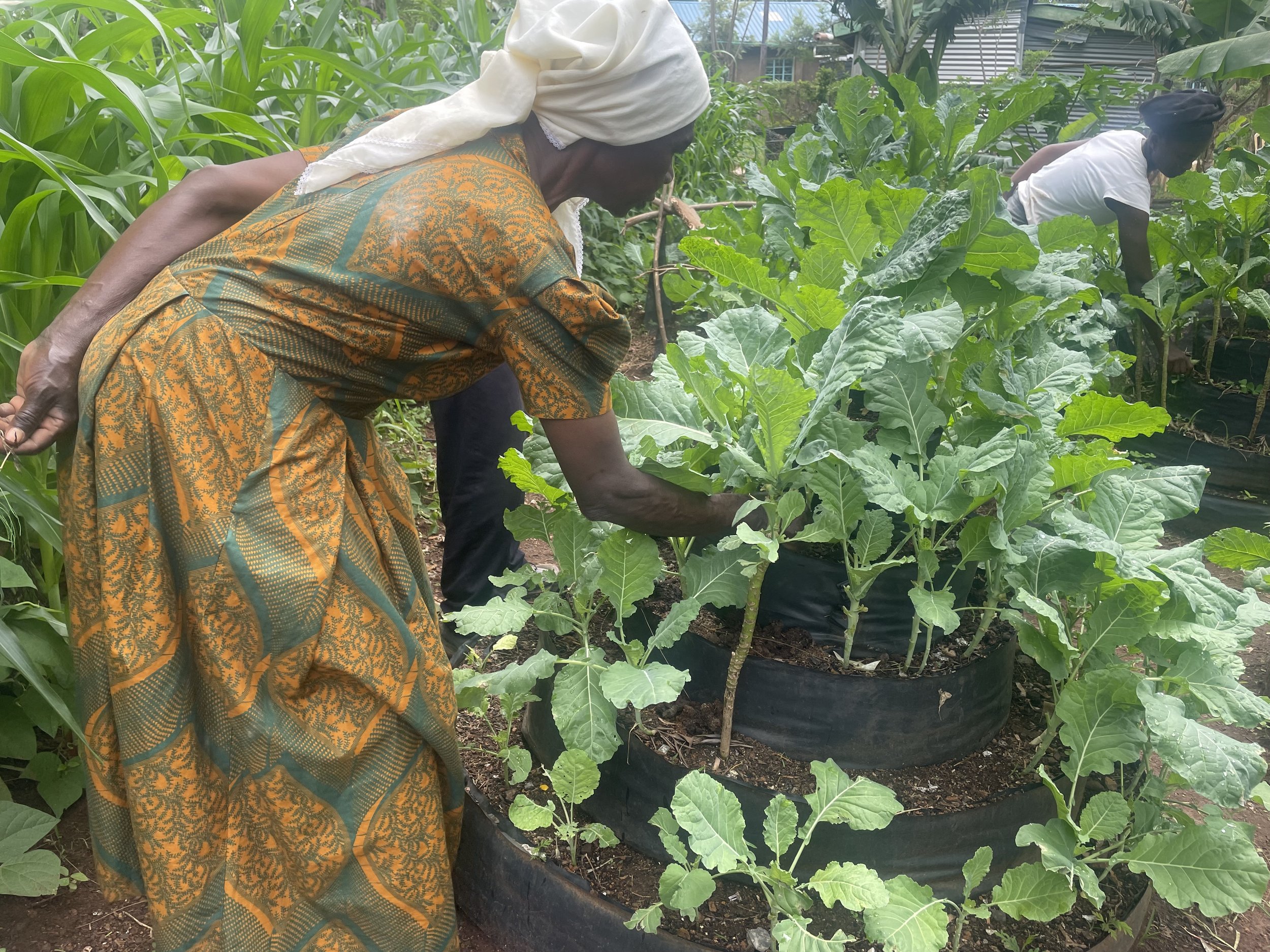
Food security is central to economic stability. Climate change has intensified floods, droughts, and heat waves in Western Kenya, making traditional farming increasingly unpredictable. MEPF women lead climate-smart agricultural practices that help families adapt. Through hands-on trainings, participants learn pest management, responsible fertilizer use, soil conservation, and the creation of raised kitchen gardens that require less water. These skills are shared beyond training sessions, spreading knowledge through households and neighboring villages.
Agroforestry Program
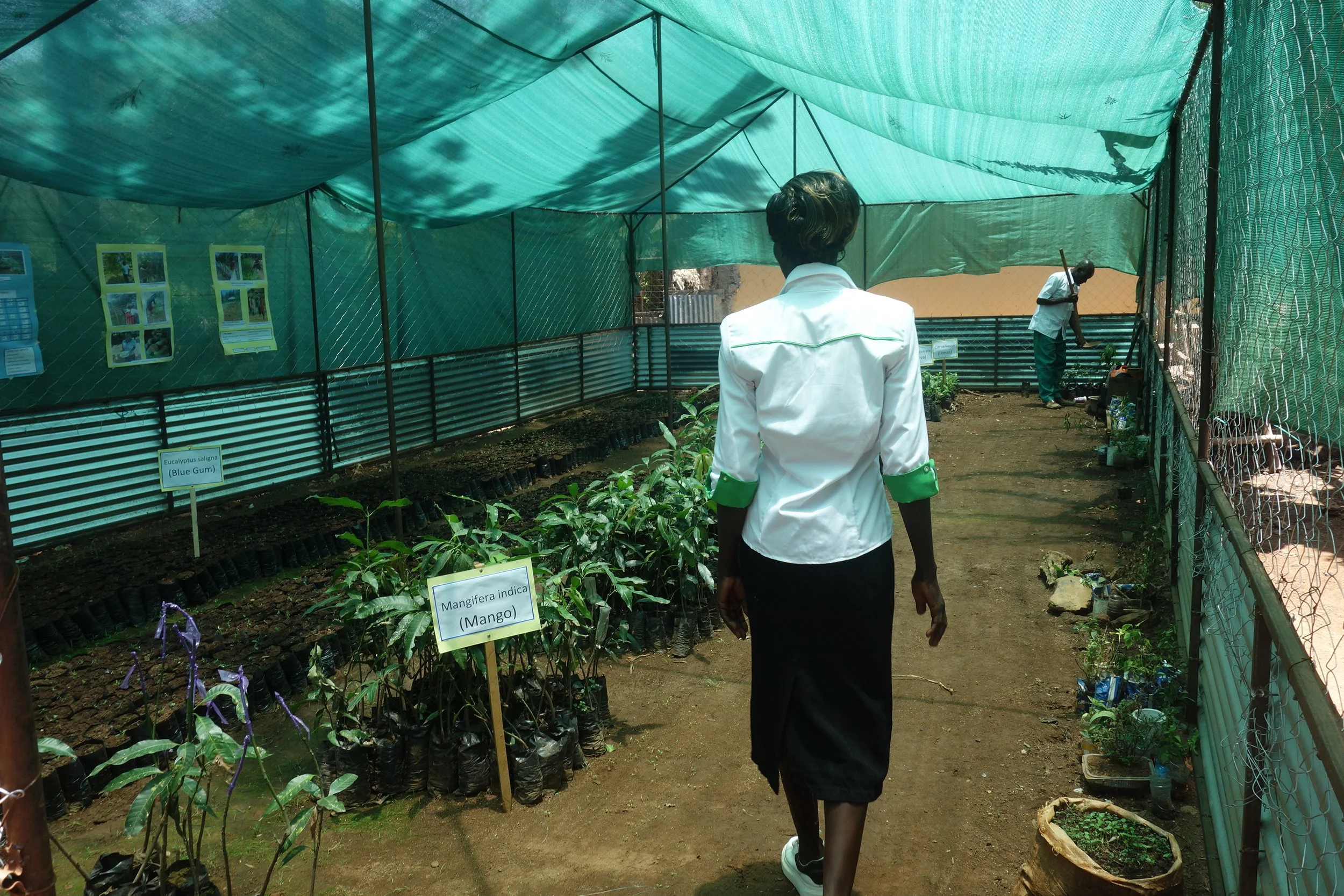
The Agroforestry Program supports both environmental resilience and household income. Women grow seedlings that provide food, medicine, lumber, and firewood for the community. Seedlings are sold locally, generating income while promoting reforestation that protects against flooding, heat, and drought. A rainwater harvesting system at the agroforestry site ensures reliable production even during dry seasons. Trainings in seeding, grafting, potting, and seedling care equip women with transferable skills that strengthen long-term food security.
Poultry Program
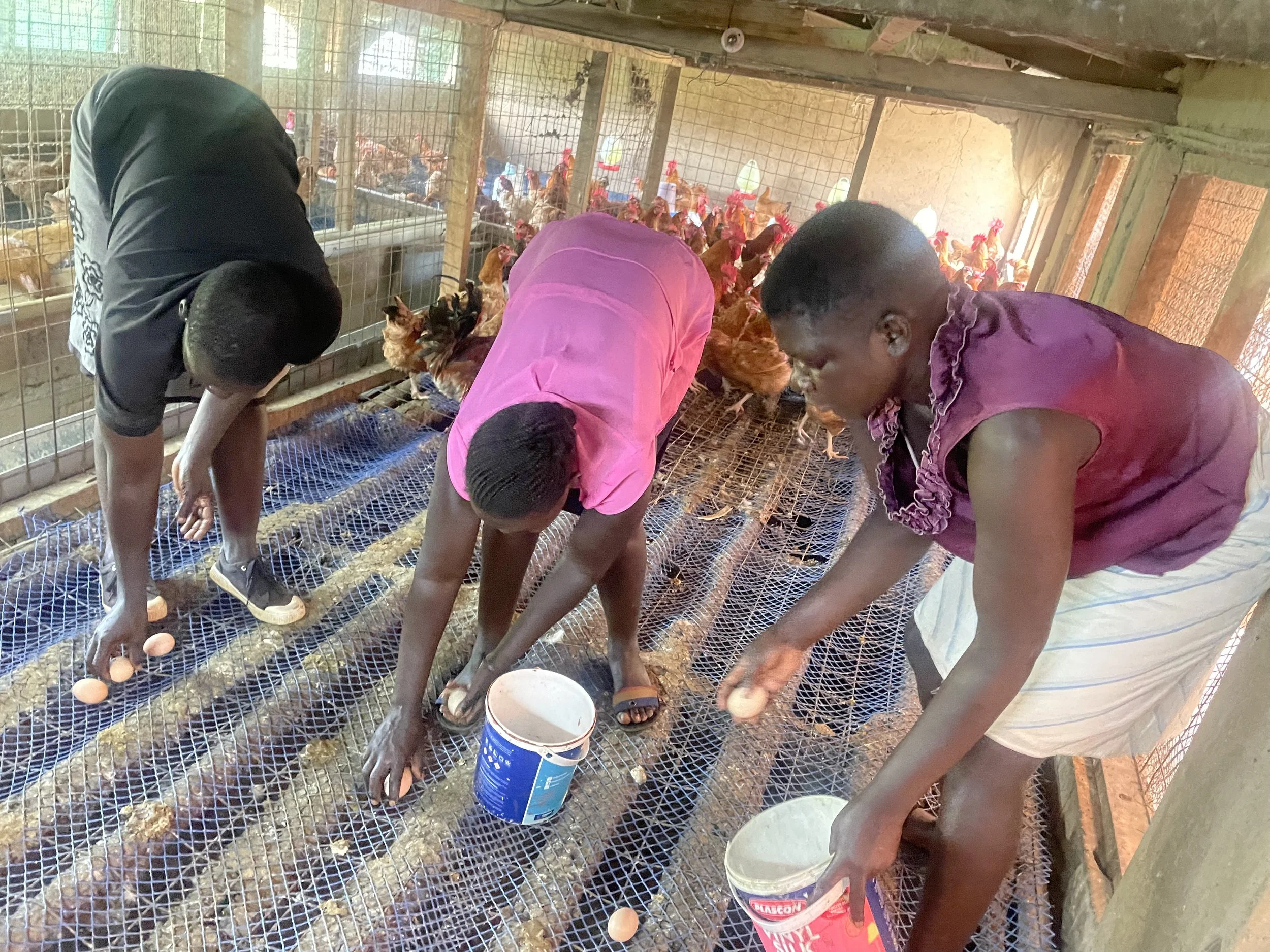
The Poultry Program provides immediate nutrition and flexible income through six community-managed chicken coops, some housing more than one hundred hens. Small groups of women jointly manage each coop, strengthening cooperation and shared responsibility. Eggs support household nutrition, while surplus eggs are shared with neighbors to expand brooding capacity. Women may sell hens to cover school fees, medical bills, and household needs, then restock with new chicks, creating a sustainable cycle of income and care.
Women-Led Enterprises
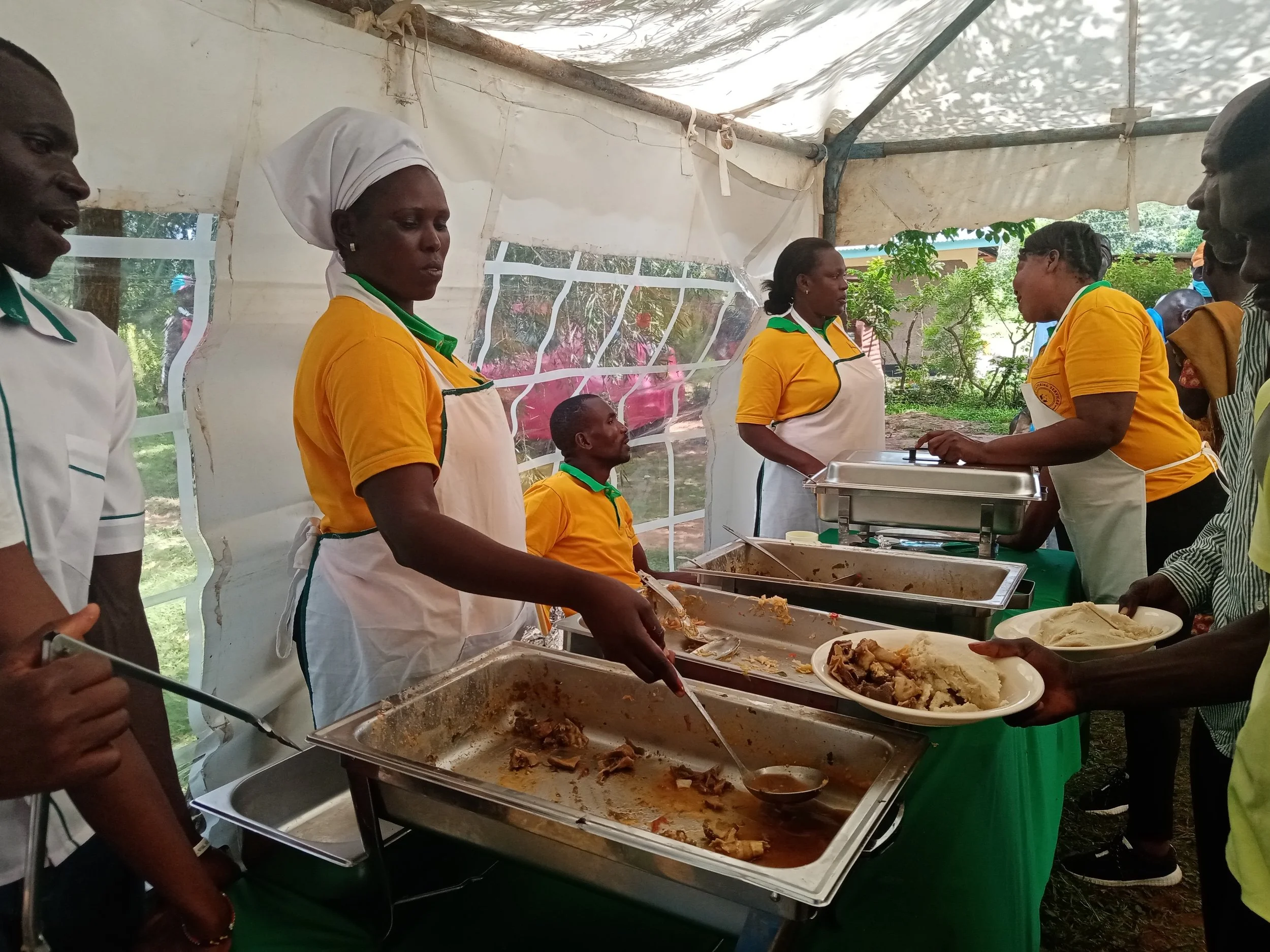
Beyond agriculture, MEPF women lead enterprises that create jobs, skills, and shared income. The Mwanzo Wetu Catering Service, founded in 2016, serves weddings, graduations, funerals, and community gatherings. The enterprise creates employment opportunities for women and farmers impacted by climate change and served more than 38,600 meals in 2022 alone.
The Tailoring Project, launched in 2021, produces school uniforms, scouting outfits, masks, and catering wear. With the opening of Mwanzo’s community center in 2024, the project is expanding into hands-on training workshops, equipping more women with practical skills for income and independence.
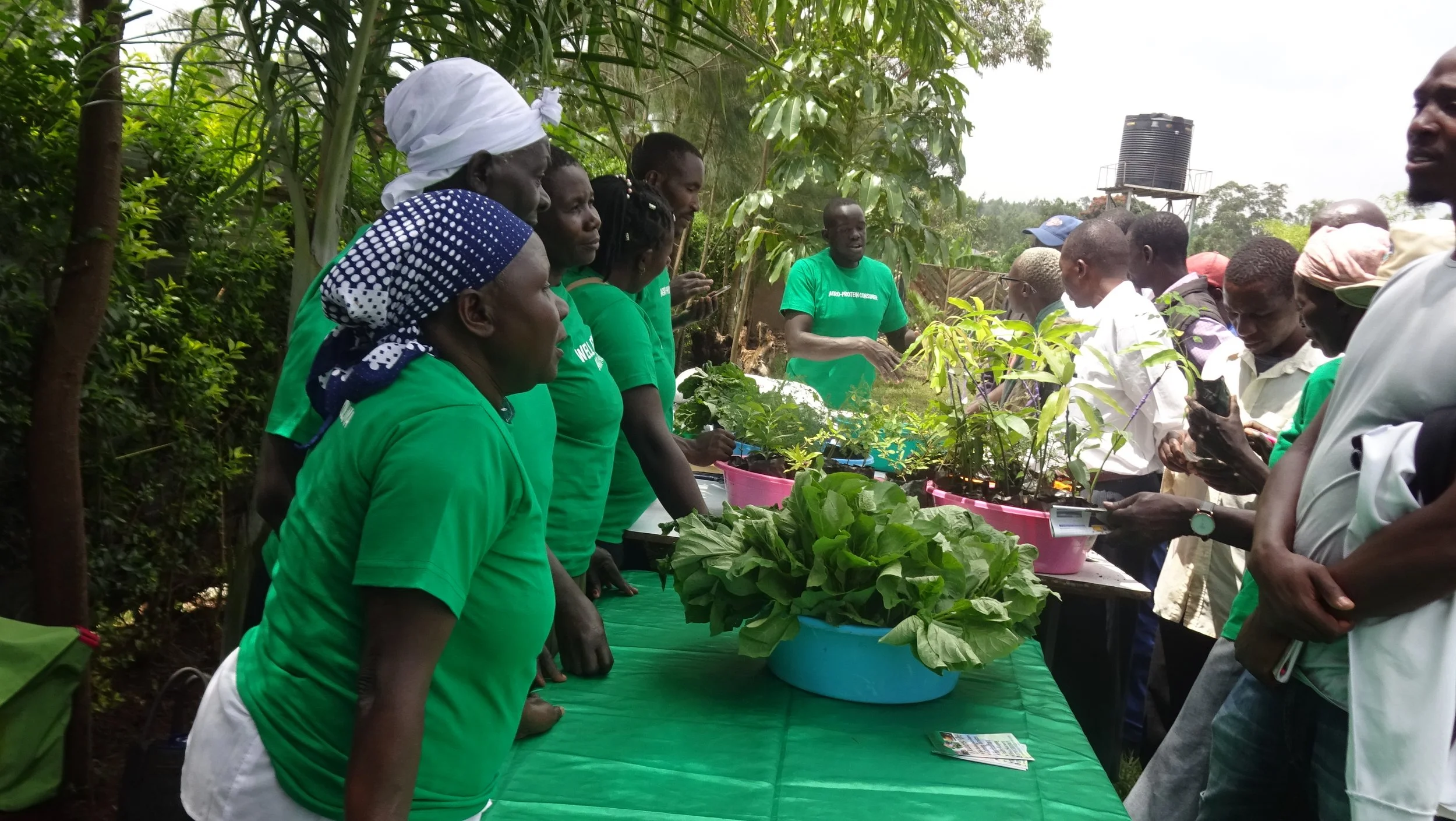

Leadership, Dignity, and Collective Impact
MEPF is about more than income. Through management training, shared decision-making, and visible economic success, women have gained increased respect within their households and communities. Many now serve in leadership roles across village groups, faith communities, and local organizations.
What began as a response to loss has become a foundation for dignity, resilience, and shared progress. When women lead, families stabilize, food systems strengthen, and entire communities move forward together.